Best Practices for Making Yogurt at Home
The Complete Guide to Using Your Ultimate Yogurt Maker
Making homemade yogurt can be a simple process with the correct guidance. Understanding how to use a yogurt maker efficiently is vital. From choosing quality ingredients to troubleshooting common challenges, each step plays a important role in the final product. As one explores the complexities of yogurt making, it becomes apparent that small adjustments can lead to vastly different results. The journey toward perfect yogurt is just beginning.
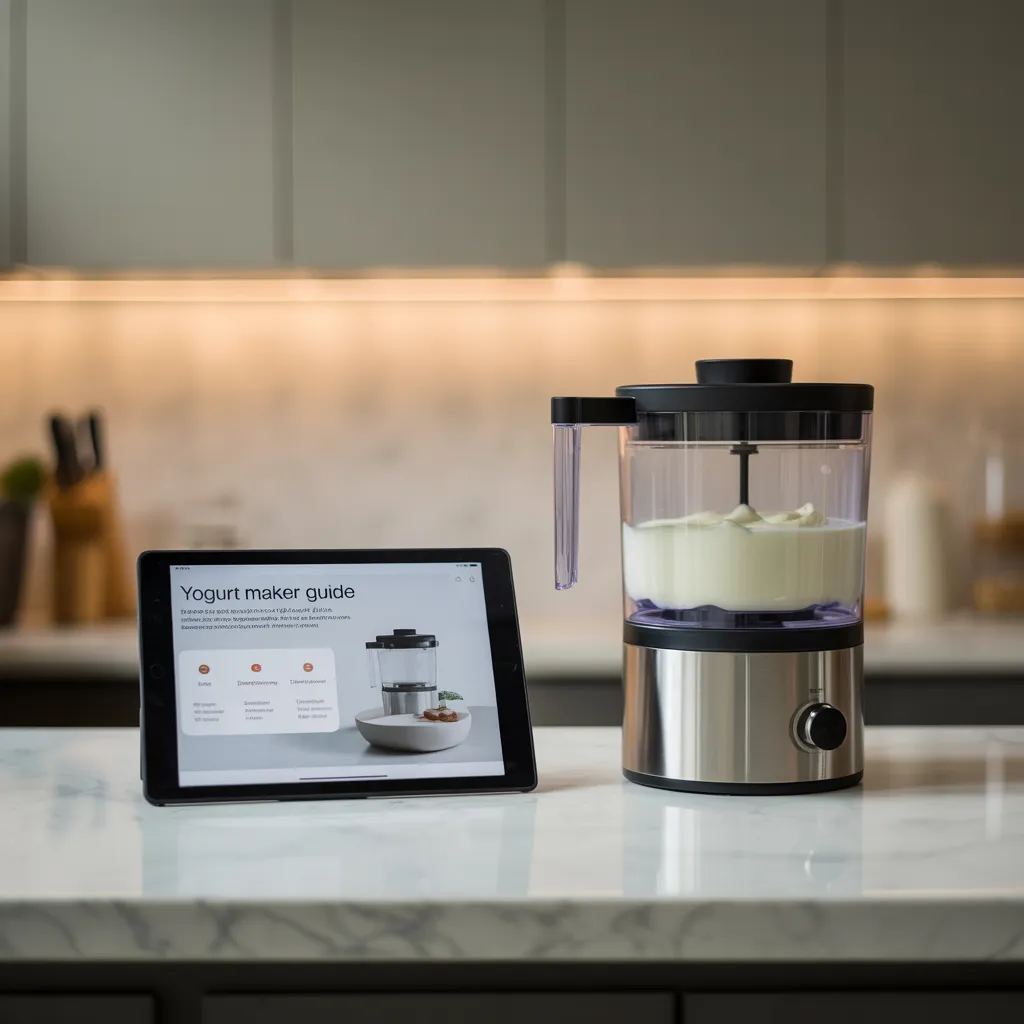
Using a yogurt maker can be a straightforward process that yields delicious homemade yogurt. To start, the user should verify that the device is clean and properly put together. Next, they should prepare the milk, which might require heating it to a specific temperature to remove any unwanted bacteria. After cooling the milk to an suitable temperature, the user can incorporate the yogurt starter culture, making sure it is evenly distributed.
When blended, the mixture is dispensed into the yogurt maker's containers and positioned inside the machine. The user then configures the desired fermentation time, typically varying from four to twelve hours, depending on personal taste preferences. During this period, the yogurt maker keeps a consistent temperature that supports fermentation. After the time has passed, the user retrieves the containers, chills the yogurt to halt the fermentation process, and relishes in the fresh, creamy result of their efforts.
Picking Ingredients for Your Yogurt Maker
While choosing ingredients for a yogurt maker, it is important to evaluate both the type of milk and the yogurt starter culture, as these choices greatly impact the final product. Milk options range from whole to skim, each offering different creaminess and flavor profiles. Whole milk results in a rich, creamy yogurt, while skim milk creates a lighter version. Moreover, non-dairy alternatives like almond or coconut milk can also be incorporated, though they may require specific starter cultures formulated for non-dairy fermentation.
The culture used to start yogurt is just as important. Available options consist of store-bought yogurt featuring live active cultures or powdered cultures sold at health food stores. Picking a top-quality starter culture secures ideal fermentation and flavor progression. Eventually, knowing these core ingredients lets yogurt makers modify their batches to match their desires, resulting in a delicious and satisfying homemade yogurt experience.
Enhancing Your Yogurt
How can one elevate homemade yogurt from plain to extraordinary? Yogurt flavoring provides boundless options for innovation and satisfaction. A proven approach includes blending in fresh fruits, like berries, bananas, or peaches, which both improve taste and contribute natural sugars along with brilliant hues. Another choice involves stirring in pureed fruits or preserves to create a silkier texture.
Vanilla, cinnamon, or nutmeg and similar spices and extracts have the ability to convert yogurt into a wonderful delicacy. Those looking for a zesty kick will find that citrus juice or zest can enliven the flavor profile. Natural sweeteners like honey, maple syrup, or agave nectar deliver complementary flavor dimensions while moderating sourness.
For adventurous enthusiasts, consider adding seeds, granola, or nuts for texture and crunch. At the end of the day, the choice of flavorings enables people to customize their yogurt, making each serving a special culinary journey tailored to their individual taste choices.
Which Common Mistakes Should You Steer Clear of When Making Yogurt?
Creating homemade yogurt can be a rewarding experience, but certain pitfalls can hinder the process. One typical concern is using the incorrect type of milk; ultra-pasteurized or non-fat milk can result in poor texture and taste. Moreover, improper temperatures during the fermentation process can prevent the yogurt from thickening properly, with temperatures that are too low causing watery yogurt.
An additional mistake is not giving enough time for the fermentation process; hastening this process can generate less favorable results. Contamination resulting from unsanitary equipment can also ruin a batch, as harmful bacteria can disrupt the fermentation process. Finally, failing to maintain a constant environment can hinder the yogurt-making process.
Troubleshooting Standard Problems in Homemade Fresh Yogurt
Even though homemade yogurt can at times create challenges, many common problems have simple solutions that can return its quality. One common issue is thin consistency, which can occur due to inadequate fermentation time or low-quality starter culture. To address this, one can extend the fermentation period or switch to a more consistent starter.
Another common problem is separation, where whey accumulates on the surface. This can be fixed by gently mixing the yogurt before serving, or by maintaining proper temperature control during the fermentation process.
When yogurt doesn't set properly, it may be due to not enough active cultures or incorrect temperatures. Prolonging the incubation duration or changing the yogurt maker settings can help attain the desired thickness.
Lastly, unpleasant flavors can develop from tainted equipment or ingredients. Thoroughly cleaning all tools and using pristine milk can eliminate this issue, ensuring a tasty final product.
Frequently Asked Questions
May I Use Non-Dairy Milk in My Yogurt Maker?
Absolutely, non-dairy milk can be used in yogurt makers. However, the fermentation process might be different as a result of varying sugar and protein content. Using proper cultures created for non-dairy alternatives is vital for excellent results.
What's the Storage Duration for Homemade Yogurt in the Fridge?
Homemade yogurt usually stays good for around one to three weeks in the refrigerator when preserved properly in an airtight container. Its taste and quality may progressively decrease, so eating it within a week is often recommended for optimal taste.
Can Yogurt Starter Cultures Be Safely Reused?
Yes, it is generally safe to reuse yogurt starter cultures. That said, their effectiveness can decline with repeated use, and monitoring for off-flavors or spoilage signs comprehensive resource in later batches is essential.
Can You Make Yogurt Without Using a Yogurt Maker?
Yogurt can indeed be made without a yogurt maker. Common alternatives include a lit oven, a slow cooker, or thermal containers to maintain the necessary warm temperature for the fermentation process.
What Quantity of Yogurt Can I Produce in One Batch?
The volume of yogurt you can prepare at one time generally ranges from 1 quart to 2 gallons, according to the given yogurt maker's capacity. This allows for flexibility according to personal consumption needs or preferences.